Kremer group
Survivorship (LATER) research, epidemiology and evidence based pediatric oncology
Our research group focuses on scientific research for survivors of childhood cancer and for children in the palliative phase. The group also hosts the Máxima Guideline Unit. Within M4C LATER, the Kremer group collaborates closely with survivors, the LATER outpatient clinic, TDC, and VKKN to translate scientific insights into improved (follow-up)care.
We have expertise in conducting large epidemiological studies in cohorts of children with cancer and survivors, in developing and evaluating (eHealth) interventions and implementation studies, and in producing systematic reviews, clinical guidelines, and outcome indicators. Our research is embedded in and carried out through local, national (LATER study group), and international networks, including the pan-European PanCare network and the International Late Effects of Childhood Cancer Guideline Harmonization Group (IGHG).
Contact
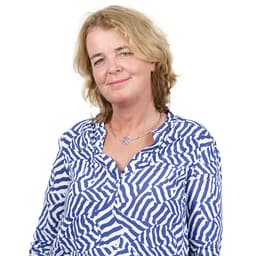
Leontien Kremer
Survivorship Research
Individuals who survived childhood cancer face a significantly increased risk of developing long-term health problems (“late effects”) as a result of their previous cancer treatment. Our research aims to quantify the impact of childhood cancer treatment and other key factors on the health and quality of life of survivors. We also develop and validate prediction models to identify survivors at high risk of late effects at an early stage, and we design and evaluate (eHealth) interventions.
National LATER Study
In the Netherlands, we have identified over 12,000 individuals who were treated for cancer during childhood between 1963 and 2014 and survived at least five years. More than 6,000 of them participated in the Dutch Childhood Cancer Survivor Study 1 (DCCSS-LATER 1). In this multidisciplinary study, we collected data on diagnosis, treatment, health, lifestyle behaviors, and physical and psychosocial functioning through questionnaires and linkage with health registries.
In the follow-up study, DCCSS-LATER 2, approximately 2,400 survivors visited the LATER outpatient clinic, where we collected medical data and blood samples for further research. This enables us to gain deeper insights into the late effects of childhood cancer and potential health risks.
More information about the DCCSS LATER study and a list of publications can be found here.
International Collaborations
Our research group is actively involved as a partner or coordinator in various European research projects. These studies aim to improve post-cancer care and translate scientific knowledge into practical guidelines and interventions. In addition to European collaborations, we work closely with the Childhood Cancer Survivor Study and the St. Jude Lifetime Study in the United States.
Pediatric Palliative Care
In addition to survivorship research, our group also focuses on innovations in pediatric palliative care. We collaborate closely with the Dutch Knowledge Centre for Pediatric Palliative Care and UMC Groningen. See the “Grants and Awards” section for an overview of recent pediatric palliative care research projects (to be updated).
“The results of clinical research have to be included in guidelines to improve the quality of care”
Leontien Kremer
Research group leader
The Máxima Guideline Unit
The Máxima Guideline Unit, embedded in our group, supports healthcare professionals at the Princess Máxima Center in developing evidence-based guidelines in pediatric oncology. Internationally, we also contribute to guideline development within the European PanCare network and the International Late Effects of Childhood Cancer Guideline Harmonization Group (IGHG).
Examples include guidelines on long term follow-up care, fertility preservation for children with cancer, prevention of cardiac damage, and potential treatment with growth hormone. The Guideline Unit also assists in conducting systematic reviews, including those carried out by PhD students at the Máxima Center.
Grants, PhD defenses and events
Join us
To cure every child with cancer, we are looking for the best scientists! Working in a top organization demands highly qualified employees who perform to their utmost in a work environment with continuous motivation for improvement. Do you recognize yourself in our core values as groundbreaking and passionate? Explore the job opportunities in our research department.
Explore job opportunities